Your bathroom vanity needs new countertops because water damage happened. You want to understand bathroom countertop materials that resist moisture. You need moisture-resistant countertops that won’t get ruined by water. You’re looking for bathroom vanity countertop options that actually last long. Water-resistant stone counters are important for bathroom spaces always. You want to know best bathroom counter materials for wet areas. Bathroom countertop durability in humid conditions is critical for you. This guide tells you everything about choosing bathroom counters. Real options. Moisture solutions. Best practices. Smart choices. By the end you’ll know what works best. For complete material comparison including kitchen and commercial options, review our detailed countertop material comparison guide with comprehensive pros and cons analysis.
Why Bathroom Countertop Materials Must Be Moisture Resistant
Bathrooms Are Very Wet And Humid Spaces Always
Bathrooms have water and steam constantly. Showers create lots of moisture daily. Sinks drip water on countertops often. Humid air stays in bathrooms long time. Moisture gets trapped behind and under surfaces. Water damage happens fast in bathrooms. Mold grows in damp bathroom areas. Materials must handle constant wet conditions. Regular kitchen materials fail in bathrooms. Moisture resistant materials are absolutely essential.
Water Damage Costs Thousands Of Dollars To Fix
Water damage spreads and gets very expensive. Structural damage costs five thousand plus. Mold removal costs two thousand to ten thousand. Replacement costs add to damage bills. Insurance might not cover water damage. Repairs take weeks and disrupt your home. Weak materials cause bigger problems later. Moisture resistant stops damage from happening. Prevention is much cheaper than repair. Smart material choice saves huge money.
Mold And Mildew Grow In Wet Bathrooms
Moisture creates perfect conditions for mold. Mold spreads quickly in damp areas. Mold smells bad and looks awful. Mold causes health problems for people. Mold is hard to clean away. Mold removal costs lots of money. Moisture resistant materials prevent mold growth. Some materials encourage mold very much. Choosing right materials stops mold completely. Health protection matters most of all.
Bathroom Vanities Get Splashed With Water Daily
Sinks splash water on countertops always. Toothbrush rinsing splashes water constantly. Washing hands creates water splashes. Showers create steam and condensation. Water sits on some surfaces. Weak materials absorb water quickly. Water penetrates and causes damage. Proper materials shed water easily. Water resistant surfaces prevent damage. Daily water exposure requires durability.
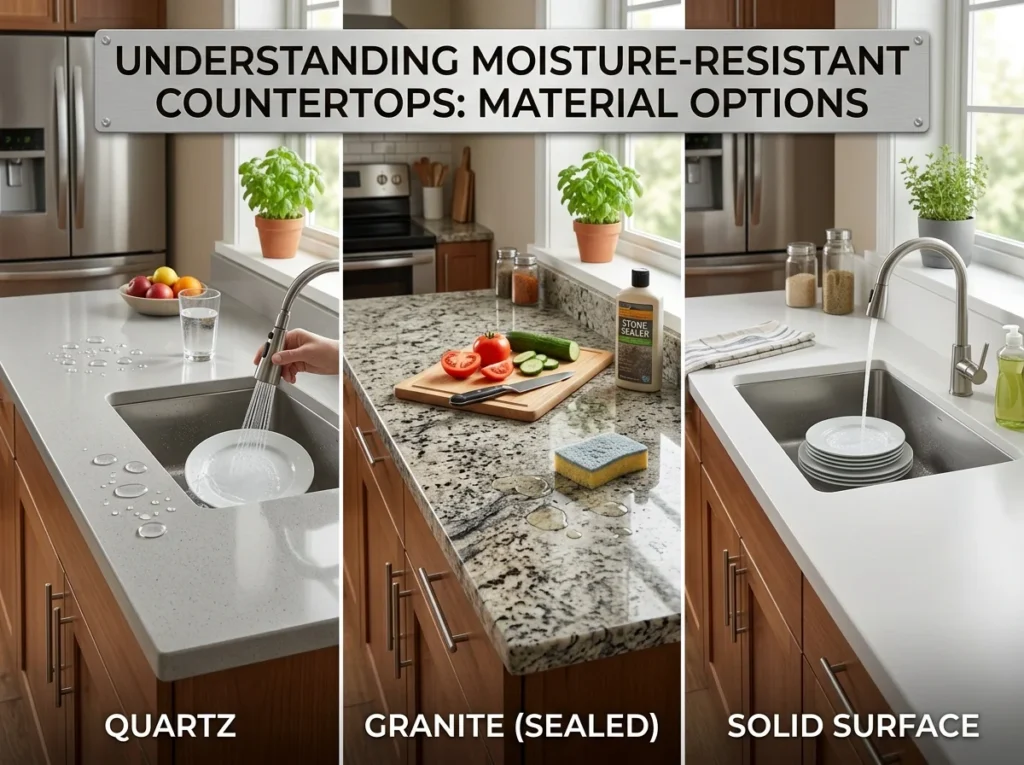
Understanding Moisture-Resistant Countertops: Material Options
Quartz Countertops: Engineered Non Porous Choice
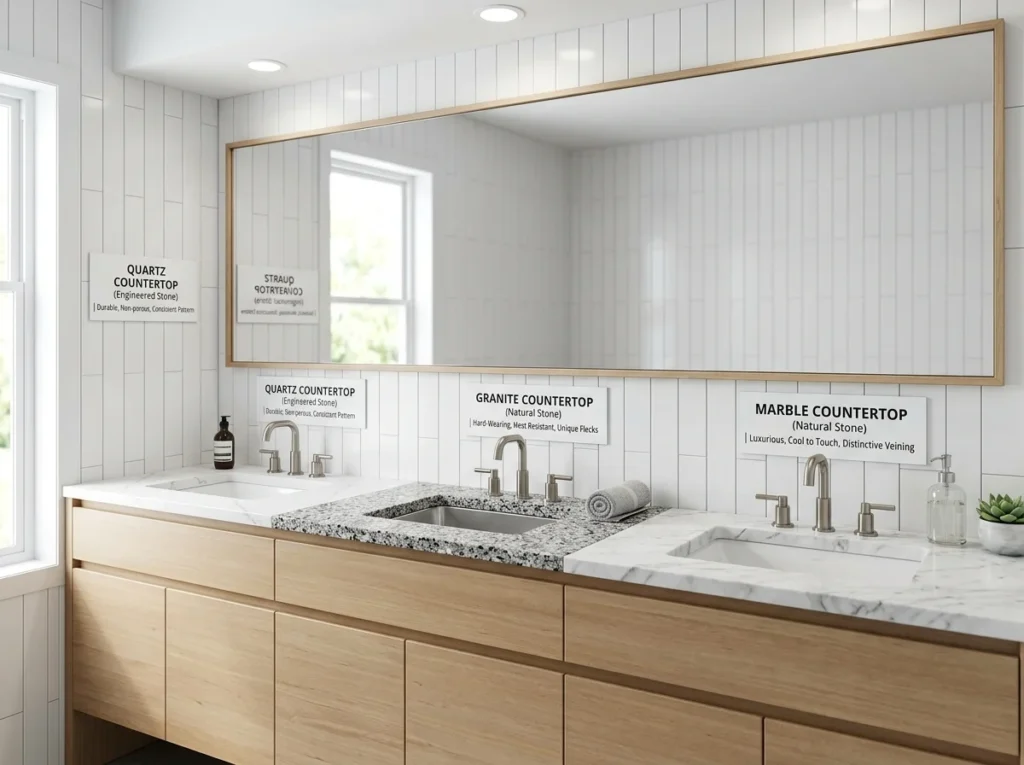
Quartz is engineered stone made perfectly. Quartz is completely non porous always. Water cannot get inside quartz. Quartz resists mold and mildew growth. Quartz costs eight to fifteen thousand installed. Quartz never needs sealing at all. Quartz lasts twenty five to thirty years. Quartz comes in many bathroom colors. Quartz is excellent bathroom choice. Quartz handles bathroom moisture perfectly. For kitchen applications and lifestyle considerations when choosing quartz, see our kitchen countertop materials guide comparing all major options.
Good things: No sealing needed, stops mold, very durable, easy clean, bacteria resistant
Bad things: Expensive, not heat resistant, limited colors, can crack, professional install needed
Solid Surface Countertops: Seamless Moisture Proof
Solid surface is engineered material fully. Solid surface is completely non porous. Joints are sealed and seamless always. Water cannot hide under solid surface. Solid surface resists mold and mildew. Solid surface costs two to six thousand installed. Solid surface is easy to clean daily. Solid surface is very practical choice. Solid surface looks modern and clean. Solid surface is popular bathroom option.
Good things: Seamless, stops mold, affordable, easy clean, can be repaired, many colors
Bad things: Not heat resistant, can scratch, limited durability, looks artificial, professional needed
Granite Countertops: Natural Stone With Sealing
Granite is natural stone from earth. Granite must be sealed every year. Sealed granite resists water and stains. Granite has unique patterns and colors. Granite costs six to twelve thousand installed. Granite lasts fifty years or longer. Granite is very durable and hard. Granite looks luxurious in bathrooms. Granite requires regular maintenance always. Granite is elegant bathroom choice.
Good things: Beautiful, durable, luxurious, unique patterns, lasts very long, adds value
Bad things: Expensive, needs sealing, stains can happen, heavy, professional install required
Marble Countertops: Elegant But Requires Care
Marble is elegant natural stone material. Marble must be sealed regularly. Marble etches from acidic bathroom products. Marble stains from cosmetics and water. Marble costs eight to twenty thousand installed. Marble lasts forever with proper care. Marble looks fancy and upscale. Marble shows water spots easily. Marble needs lots of maintenance work. Marble is high maintenance choice.
Good things: Very beautiful, elegant, luxurious, unique, lasts forever with care, timeless
Bad things: Expensive, stains easily, needs sealing, etches from acids, requires lots of care
Laminate Countertops: Budget Friendly Option
Laminate is affordable practical material. Laminate resists stains quite well. Laminate is not completely water proof. Laminate can delaminate from water. Laminate costs one to three thousand installed. Laminate lasts ten to fifteen years. Laminate looks okay but cheap. Laminate is good for tight budgets. Laminate works for rental bathrooms. Laminate is basic budget choice.
Good things: Very affordable, many colors, easy clean, stain resistant, quick install
Bad things: Not waterproof, can delaminate, short lifespan, looks cheap, limited durability
Tile Countertops: Water Resistant Versatile Option
Tile is very water resistant material. Grout between tiles needs maintenance. Grout can stain and harbor mold. Tile costs two to six thousand installed. Tile is very durable for years. Tile comes in many designs. Tile looks good in bathrooms. Tile is creative design option. Tile requires grout sealing often. Tile is popular bathroom choice.
Good things: Water resistant, durable, many designs, creative, easy repairs, affordable
Bad things: Grout needs care, not seamless, uneven surface, grout stains, professional install
Glass Countertops: Modern Water Resistant Option
Glass is modern elegant material. Glass is completely water resistant. Glass is non porous and smooth. Glass costs three to eight thousand installed. Glass is easy to clean always. Glass shows water spots and marks. Glass can crack from heavy impact. Glass looks contemporary and sleek. Glass is unique and modern. Glass is premium modern choice.
Good things: Water resistant, modern, easy clean, seamless, non porous, unique look
Bad things: Can crack, shows water spots, expensive, professional install, limited repair options
Bathroom Vanity Countertop Options: Popular Choices
Undermount Sink Prevents Water Damage
Undermount sinks mount below surface. Water drains directly below countertop. No seams to trap water. Undermount stops water accumulation. Undermount looks sleek and modern. Undermount costs extra for installation. Undermount is very popular now. Water cannot sit on edges. Undermount is smart bathroom choice. Undermount prevents water damage.
Backsplash Protection For Wall Areas
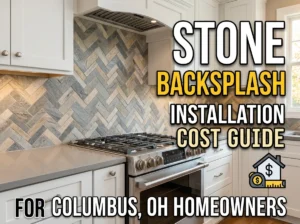
Backsplash is protection on wall. Backsplash stops water from wall. Backsplash can be tile or stone. Backsplash prevents wall water damage. Backsplash adds style to bathroom. Backsplash costs one thousand to three thousand. Backsplash is worth the investment. Backsplash protects behind counter area. Backsplash is smart bathroom upgrade. Backsplash is highly recommended.
Edge Sealing For All Countertops
Edges must be sealed completely. Sealing prevents water underneath. Sealing protects edge materials. Edges are most vulnerable areas. Proper sealing is absolutely critical. Sealing costs included in install. Unsealed edges cause water damage. Sealed edges last much longer. Edge protection is very important. Always seal edges completely.
Drainage And Proper Installation Matters
Proper slope helps water drain. Grout must be applied correctly. Caulk seals all problem areas. Installation quality affects durability. Professional installation is very important. DIY installation often causes problems. Water must drain away always. Improper installation causes costly damage. Professional installation saves money later. Installation quality determines longevity.
Water-Resistant Stone Counters: Best Practices
Sealing Stone Counters Regularly
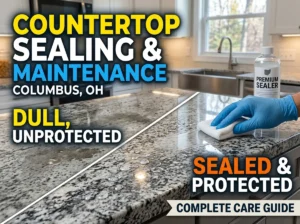
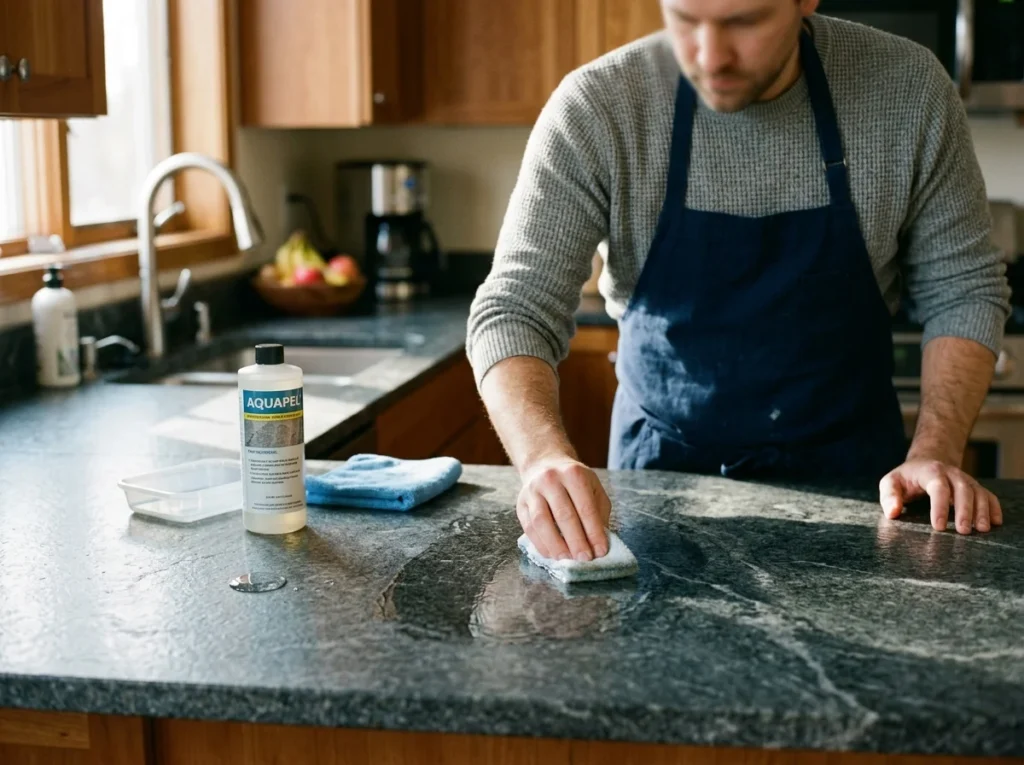
Granite needs sealing every one to three years. Marble needs sealing every three to six months. Limestone needs frequent sealing always. Travertine needs regular sealing. Stone seals wear off over time. Resealing is critical for bathrooms. Unsealed stone absorbs water. Water causes permanent damage. Professional sealing works best. Regular sealing is essential.
Wiping Up Water Immediately
Standing water damages stone always. Water should be wiped up. Dry surfaces prevent damage. Towels should be readily available. Quick wiping prevents water spots. Water spots become permanent marks. Daily wiping is good habit. Immediate wiping prevents damage. Prevention is best approach. Make wiping a routine.
Using Proper Cleaning Products
Acidic cleaners damage some stone. Harsh chemicals etch marble and granite. Mild soap and water is best. Neutral cleaner is safest choice. Vinegar damages most natural stone. Bleach can damage some materials. Professional stone cleaner is best. Gentle cleaning preserves surfaces. Wrong products cause permanent damage. Choose gentle cleaning products.
Preventing Stains And Water Spots
Spills should be wiped immediately. Water spots need immediate attention. Cosmetics can stain countertops. Toothpaste can leave marks. Mouthwash can stain surfaces. Quick cleanup prevents permanent stains. Prevention is easier than removal. Stains are hard to remove. Immediate action prevents damage. Prevent stains through quick action.
Best Bathroom Counter Materials: Comparison
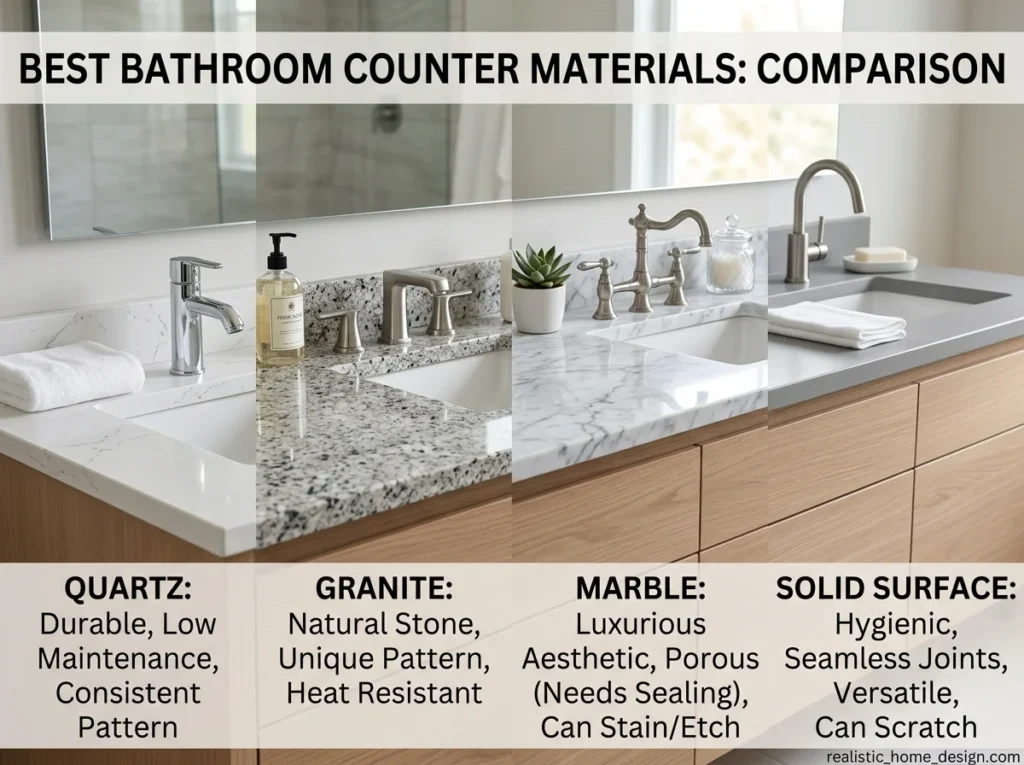
Best For Durability: Quartz And Granite
Quartz lasts twenty five to thirty years. Granite lasts fifty years or more. Both resist water and moisture. Both resist stains and scratches. Both need minimal maintenance. Quartz needs no sealing ever. Granite needs sealing yearly. Both are excellent long term. Durability is twenty plus years. These are best durability choices.
Best For Budget: Laminate And Tile
Laminate costs one to three thousand installed. Tile costs two to six thousand installed. Both are affordable for bathrooms. Both require minimal upfront cost. Tile is more durable than laminate. Laminate is easiest to install. Budget is important for many. Affordable options work well. Both satisfy budget conscious buyers. Budget options are good choices.
Best For Looks: Marble And Glass
Marble looks very elegant and upscale. Glass looks modern and contemporary. Both are beautiful materials. Both create stunning bathrooms. Both attract attention and compliments. Both add style to spaces. Marble is classic elegant choice. Glass is modern trendy choice. Beauty matters to many people. Both are beautiful material choices.
Best For Moisture Resistance: Quartz And Tile
Quartz is completely non porous. Tile is water resistant material. Both handle bathroom moisture well. Both resist mold and mildew. Both are excellent wet area choices. Quartz needs no sealing. Tile grout needs sealing. Both work very well. Moisture resistance is critical. These are best choices for moisture.
Bathroom Countertop Durability: Long Term Care
Expected Lifespan For Each Material
Granite lasts fifty years or more. Marble lasts indefinitely with care. Quartz lasts twenty five to thirty years. Tile lasts fifteen to twenty years. Solid surface lasts ten to fifteen years. Laminate lasts ten to fifteen years. Glass lasts twenty plus years. Lifespan affects total spending. Longer lasting materials cost more. Consider expected lifespan always.
Maintenance Requirements Over Time
Quartz needs only regular cleaning. Solid surface needs minimal care. Laminate needs only regular cleaning. Granite needs yearly sealing. Marble needs frequent sealing. Tile grout needs sealing. Glass needs water spot removal. Maintenance time affects your life. Some materials need lots of work. Low maintenance is valuable.
Signs Of Water Damage
Discoloration shows water damage. Soft spots mean structural damage. Swelling indicates water absorbed. Mold growth shows moisture problem. Warping means material is damaged. Separation means seal failed. Staining means water got in. Damage spreads if ignored. Early detection saves money. Check regularly for damage.
Repair And Replacement Options
Quartz cannot be easily repaired. Solid surface can be professionally repaired. Granite cannot be easily repaired. Marble can be professionally repaired. Laminate cannot be repaired. Tile can be replaced individually. Glass cannot be easily repaired. Repair options affect total cost. Some materials are repairable. Repairability matters for longevity.
FAQ About Bathroom Countertop Materials
What is best material for bathroom counters?
Quartz is best for durability. Tile is best for budget. Marble is best for looks. Solid surface is good for value. Granite is good for elegance. Your budget determines best choice. Your style affects your choice. Moisture resistance is most important. Choose material matching your needs. Professional can recommend best option. Our specialized bathroom countertop services include moisture-resistant installation, proper sealing, and expert recommendations for Columbus area bathrooms with warranty protection.
How do I prevent mold in bathroom?
Moisture resistant materials prevent mold. Quartz and tile resist mold. Good ventilation prevents mold growth. Exhaust fans remove moisture. Open windows help air circulation. Wipe up water quickly always. Keep bathroom dry and ventilated. Proper materials prevent mold. Maintenance prevents mold growth. Prevention is easiest approach.
Should I choose granite or quartz?
Granite is natural stone from earth. Quartz is engineered stone. Granite needs yearly sealing. Quartz needs no sealing. Granite looks more natural. Quartz looks more uniform. Granite lasts much longer. Both are very durable. Quartz needs less maintenance. Choose based on preference.
What countertop is most affordable?
Laminate is most affordable option. Tile is also very affordable. Solid surface is affordable. All three cost under six thousand. Installation adds to total cost. Affordable materials work well. Budget options last long enough. Cheap materials satisfy most. Affordability matters for many. Budget options are good.
How often should I seal counters?
Granite needs sealing every year. Marble needs sealing every six months. Limestone needs frequent sealing. Quartz needs no sealing. Solid surface needs no sealing. Tile grout needs sealing yearly. Professional sealing lasts longer. Regular sealing prevents damage. Sealing schedule depends on material. Follow manufacturer recommendations.
Which material needs least maintenance?
Quartz needs only regular cleaning. Solid surface needs minimal care. Laminate needs only regular cleaning. Tile needs grout maintenance. Granite needs yearly sealing. Marble needs frequent sealing. Glass needs water spot removal. Low maintenance saves time daily. Quartz is lowest maintenance. Choose low maintenance if busy. Ready for beautiful, moisture-resistant bathroom countertops? Contact us today for free in-home consultation and expert installation throughout Columbus with lifetime craftsmanship warranty.