A bathroom vanity handles splashes every day, but most damage begins where water reaches an opening rather than the middle of the countertop. Drops collect behind the faucet, slip under a sink rim, or follow a supply line into the cabinet. Hidden moisture can gradually damage cabinet panels beneath an otherwise clean-looking vanity.
Bathroom vanity water damage prevention starts with keeping water away from vulnerable joints and identifying leaks before they soak cabinet materials. An intact granite or quartz top does not make the complete vanity waterproof. The faucet, sink mounting, backsplash, plumbing, and cabinet substrate each need attention over time because each can fail independently.
Where Does Water Usually Enter Around a Vanity Sink?
There are two broad routes: water splashes onto the countertop and works through a vulnerable opening, or water escapes from plumbing below the sink. These may leave similar marks on the cabinet but require different repairs. Surface moisture usually follows handwashing or cleaning, while a supply-line leak can continue when the bathroom is unused. This distinction avoids sealing over a plumbing problem.
Why Does Water Collect Around the Faucet Base?
Water can collect around a faucet mounting plate after handwashing, especially when splashes reach the fixture. Sometimes the faucet itself leaks near a handle or spout and water runs down onto the base. Moen advises identifying the actual point of leakage because a handle leak may resemble a failure at the mounting plate. A wet ring does not identify the failed component.
Dry the countertop, then observe the fixture during normal use without reaching beneath live electrical equipment or disassembling plumbing. If water appears only while the tap is running, note its starting point and whether it travels behind the fixture. Keep the area dry between uses, but call a plumber or follow manufacturer service guidance if leakage continues. A bead of caulk cannot repair an internal cartridge or damaged supply connection.
How Do Sink Rims and Undermount Joints Allow Water Through?
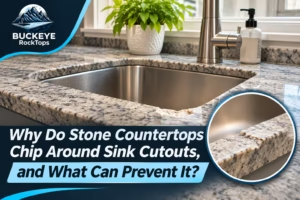
A drop-in sink rests on a rim above the countertop; an undermount sink attaches below it. Both designs have a transition where water must be managed. If the approved gasket or sealant is damaged, splashes may reach the cutout edge or cabinet below. An undermount installation also relies on suitable mounting supports, not just adhesive holding the bowl to the stone. Movement around the sink can compromise a previously sound seal.
Inspect the perimeter for missing sealant, gaps, or a shifting bowl. Avoid scraping the joint with a blade or squeezing new sealant over a wet, contaminated opening. When resealing is appropriate, the correct product and preparation depend on the sink, countertop, and manufacturer instructions. If mounting hardware is loose or the bowl moves, have the support evaluated before repairing the visible joint.
What Should You Check Inside the Vanity Cabinet?
Open the cabinet occasionally and look at the fittings with a flashlight. Check the shutoff valves, supply-line connections, faucet hoses, P-trap, and drain tailpiece for droplets, mineral deposits, or fresh stains. Moen’s troubleshooting guidance distinguishes a steady leak from a supply line or valve from an intermittent leak that appears only during faucet operation. A damp cabinet bottom may reflect either type of problem, so timing matters.
Do not overtighten fittings or move hoses to test them. Instead, photograph the condition and place a dry paper towel beneath an accessible connection for a short observation, provided no electrical hazard is present. If a leak is active, shut off the local water valves when safe and contact a plumber. Remove stored items so any dampness can be seen and addressed rather than absorbed by cleaning products.
How Can You Protect the Countertop-to-Wall Joint?
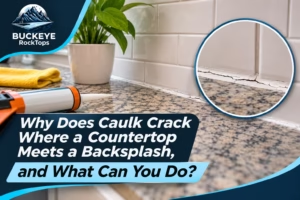
Water often lingers behind faucets where the vanity countertop meets a short backsplash or finished wall. A cracked, lifted, or missing joint seal can let splashes reach drywall and the cabinet’s rear panel. Wipe this narrow strip after use, and inspect it in good light. A joint that repeatedly reopens or changes width may indicate movement, not simply old caulk, and deserves an installation assessment before another bead is applied.
Use a flexible joint product that the countertop, backsplash, and sealant manufacturers consider compatible. Some natural stones can stain from inappropriate formulations, and certain sink or vanity products specify particular sealants. The joint must be clean and dry, with old failed material removed as instructed before application. Filling a gap without correcting an ongoing leak or a moving vanity may make the surface look better temporarily while water continues reaching concealed materials.
Do Granite and Quartz Need Different Moisture Care?
Daily surface care is similar in one important respect: wipe up water instead of allowing it to stand around fixtures and edges. Engineered quartz generally does not require penetrating stone sealer, while some natural granite or marble benefits from an appropriate treatment. The Natural Stone Institute explains that penetrating sealers improve resistance to staining; they do not make stone completely stain-proof or turn a countertop assembly into a waterproof basin.
For an existing natural-stone vanity, follow the stone supplier’s instructions and assess whether resealing is actually needed rather than following an arbitrary annual schedule. Buckeye Rock Tops offers countertop sealing and maintenance for natural stone. That service concerns surface protection, not leaking faucet parts or failed sink mounting. No sealer can replace a sound perimeter joint, and products intended for granite should not automatically be used on engineered quartz.
How Does Moisture Damage the Cabinet Before the Countertop?
A stone vanity top may remain visually unaffected while a cabinet made from particleboard or other moisture-sensitive panels begins to swell. Look for blistering laminate, soft corners, expanding joints near the bottom panel, or a door that suddenly rubs. Water can also travel down the outside of a supply hose and collect in a hidden rear corner. A cabinet liner may catch a small spill but can conceal continuing leakage if never checked underneath.
If you discover wet material, stop the water source and begin appropriate drying promptly. The EPA recommends drying wet materials within 24 to 48 hours when feasible to limit mold growth. A crumbling panel may not regain strength after drying and should be assessed before supporting stone. Severe deterioration may require cabinet work rather than another surface cleaning.
Can Bathroom Humidity Cause Problems Without a Plumbing Leak?
Yes, steam from showers may condense on cooler fixtures, mirrors, and cabinet surfaces even when the sink plumbing is sound. The EPA recommends keeping indoor relative humidity below 60 percent, ideally between 30 and 50 percent. Use a properly functioning bathroom exhaust fan and clean up visible condensation rather than allowing it to collect repeatedly around cabinet seams. Humidity control helps, but it will not stop liquid water escaping from a damaged plumbing connection.
What Routine Checks Make Prevention Easier?
A brief monthly check is more useful than waiting until the cabinet smells musty. Wipe water around the faucet and sink after normal use, look for loose sealant, and inspect the cabinet bottom with a flashlight. Check underneath after running both hot and cold water and emptying the basin. If a drip appears only while the sink drains, the waste assembly may be involved rather than the supply plumbing.
When Does a Vanity Need Installation Work Rather Than New Caulk?
A stable sink with a small, localized failed seal may need only careful joint preparation and a compatible replacement sealant. A shifting undermount bowl, a countertop that rocks, or a cracked cutout is different. The stone and sink support should be evaluated before the joint is resealed. Buckeye Rock Tops discusses sink integration and support as part of its countertop installation work, which is relevant when a mounting problem affects the finished vanity top.
Where prolonged moisture has damaged the top or its supporting cabinet, a contractor may recommend repairing the base or replacing affected components. Buckeye Rock Tops provides bathroom countertop services for vanity surfaces and sink integration. That is different from emergency plumbing repair: an active supply or drain leak belongs with a qualified plumber, and countertop work should follow correction of the water source and any unsuitable cabinet support.
Frequently Asked Questions
Does Silicone Around a Vanity Sink Stop Every Leak?
No. Compatible sealant can help manage splash water at specified joints, but it cannot correct a loose supply connection, failed faucet component, or damaged drain assembly. The sink manufacturer’s instructions also determine where a gasket or sealant belongs. Applying silicone indiscriminately can conceal a leak or interfere with service. Confirm the source first, and have mechanical plumbing or sink-support problems corrected before restoring the finished joint.
Why Is the Vanity Cabinet Wet When the Countertop Looks Dry?
Water may be dripping from a shutoff valve, flexible supply hose, drain connection, or faucet component below the countertop. A small intermittent leak can wet the cabinet bottom without leaving visible water on the vanity top. Observe whether moisture appears while the faucet runs, while the basin drains, or even when nobody uses the sink. Record the pattern and have a plumber inspect an unresolved leak before materials deteriorate further.
Should You Seal a Granite Bathroom Countertop Every Year?
Not necessarily. Natural granite varies, and some slabs benefit from penetrating sealer more than others. The Natural Stone Institute advises considering the actual stone and product guidance instead of assuming every surface needs the same schedule. Sealing can reduce staining risk but does not prevent water from passing through a failed sink joint. Inspect the vanity’s sealant and plumbing separately, even when the granite’s surface protection remains effective.
When Should a Plumber Be Called for a Vanity Leak?
Call a qualified plumber when a supply line, valve, faucet component, or drain assembly actively leaks, particularly if water reappears after wiping it dry. Shut off the local supply when safe, and keep stored items away from the wet area. Do not keep using a leaking fixture while waiting for sealant to cure or for cabinet damage to become visible. A countertop installer can address stone and mounting concerns, but the plumbing source needs proper repair.
Keep Water Out of the Joints and Cabinet Below
Preventing damage around a bathroom vanity means more than choosing a durable stone top. Watch the faucet, sink rim, wall junction, and plumbing connections, then dry splashes before they reach exposed cabinet materials. In Columbus, OH, Buckeye Rock Tops works with custom bathroom countertops and sink integration. For questions about an existing stone vanity or a replacement top, contact Buckeye Rock Tops or call (380) 266-7082 to discuss the countertop work; use a plumber for active leaks.